Bows for a Ribbon Cutting: Size, Style and Attachment
- Author: Ceremonial Scissors Guide Editorial Team
- Published on
- Category: Ribbon
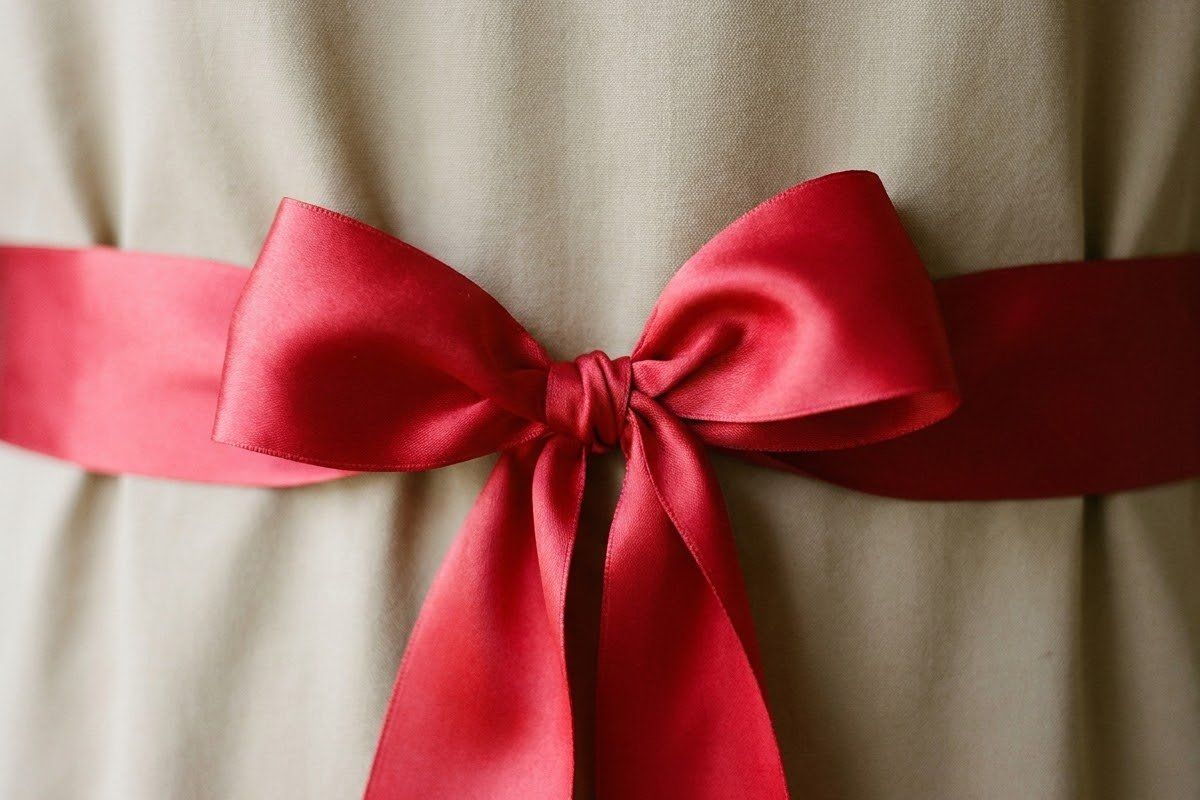
A bow for a ribbon cutting is optional decoration, usually a large pre-made or hand-tied bow in the same or a matching ribbon, attached to the centre of the ribbon or to one side. Keep it proportionate to the ribbon width and fasten it so the blades meet plain ribbon, not knots, wire or bow loops.
Part of our guide: Ribbon for a Ribbon Cutting: Width, Length, Material and Color
A bow is optional for a ribbon cutting, and where it goes matters more than how big it is. This page covers whether you need one, how to size it against the ribbon, and how to attach it so the scissors still cut cleanly. For the ribbon itself, start with the ribbon for a ribbon cutting guide.
Do you need a bow?
No. A plain ribbon is a complete ceremonial ribbon. A bow adds visual weight at the centre and gives the photograph a focal point, and some organizers like the bow as a keepsake. If you add one, plan where the blades will close before you tie anything.
Bow size versus ribbon width
Size the bow to the ribbon. A bow that is tiny against a wide ribbon looks like an afterthought; a bow wider than the span between the people holding the ribbon looks cumbersome. Keep the tails short enough not to fold into the cut line. Add the extra ribbon length for bow and tails when you plan with the length calculator.
Pre-made versus hand-tied
| Option | Strengths | Watch for |
|---|---|---|
| Pre-made bow | Consistent, quick, usually has a clip or loop | Wire in the loops; fixed colour match |
| Hand-tied bow | Matches the ribbon exactly; any size | Needs practice to hold its shape |
Attaching so the cut stays clean
Fasten the bow with a hidden clip, a loop of ribbon behind, or ties through the back. Place every fastener, wire and knot away from where the blades will meet. Then cut beside the bow, not through it. A test cut with your actual scissors will show whether the blades clear the bow, as described in cutting ribbon with scissors.
Alternatives: rosettes and streamers
Rosettes, streamers and flowers give decoration without a large bow. Keep them light and off the cut line. For colour choices see ribbon colors, and for what else a complete kit contains see ribbon and scissors.
Planning where the bow goes
Place the bow where nothing needs to be cut through. Many people put it at one end or slightly to one side of the centre, away from the blades, so the cut happens along a plain stretch of ribbon. Hold a spare ribbon up with the bow attached and mark where the scissors will close, then check from the audience’s side that the bow is still visible.
A short bow checklist
- Decide whether you want a bow at all, and who is responsible for it on the day.
- Choose a bow in the same fabric family as the ribbon so both behave alike under the blades.
- Check the fastener, wire and clip are hidden and clear of the cut line.
- Hold the assembled ribbon at the real tension and see whether the bow tilts or sags.
- Do a test cut with the actual scissors before the day.
- Pack a spare bow and a spare length of ribbon with the case.
Common mistakes
- Tying the bow tightly on the cut line and then trying to cut through it.
- Using a wired bow whose wire the scissors cannot get through.
- Making the bow so large that it pulls the ribbon down in the middle.
- Attaching it with a fastener that can scratch a polished finish.
- Forgetting to decide who will remove the bow after the cut.
Questions to ask a florist or ribbon seller
Can the bow be attached so it detaches cleanly after the cut? Is any wire used, and can it be removed? Can the bow be made in advance and kept flat in its box? Written answers help when several people share the setup.
People also ask
How big should a bow be for a ribbon cutting?
There is no standard size. A good rule of thumb is a bow that looks clearly larger than a gift bow and in proportion to the ribbon width, so it reads in photographs without overwhelming the ribbon. Make sure the bow's own loops and tails sit well clear of where the blades will close.
Do you cut through the bow?
Usually not. Most setups put the bow at the centre or to one side and cut the plain ribbon beside it, so the blades meet one layer of fabric and the bow survives as a keepsake. If the bow is the cut point, use a bow designed to come apart and test the cut beforehand.
How do you attach a bow to a ceremonial ribbon?
Common methods are a hidden clip, a loop of the same ribbon tied behind, or a few stitches or ties through the back. Avoid pins and loose wire that can snag the blades. Whatever you use, fasten the bow firmly enough to survive wind and handling but keep fasteners away from the cut line.
Should I buy a pre-made or hand-tied bow?
Pre-made bows are consistent, quick and usually have a built-in attachment, while hand-tied bows can be matched exactly to the ribbon and sized as you like. Either works. The deciding factor is whether the bow will hold its shape on the day and whether its attachment stays away from the blades.
Are there alternatives to a bow?
Yes. Rosettes, streamers, a ribbon swag or a simple pair of long tails all add decoration without a large central bow. Fresh or artificial flowers are sometimes added too. As with a bow, keep anything bulky, wired or sharp away from the cut point so the scissors only meet plain ribbon.
Further reading
Worth reading next
- Ribbon for a Ribbon Cutting: Width, Length, Material and Color
How to choose ribbon for a ribbon cutting: width, length, fabric, colour and pre-tied versus single-piece ribbons, and how to match it to your scissors.
- Ribbon Colors for a Ribbon Cutting: Red and Other Choices
Which ribbon colour to use for a ribbon cutting: why red is a common choice, how to pick for contrast and photos, and when brand or team colours work.
- Ribbon Fabrics and the Scissors That Cut Them
How satin, grosgrain, organza, velvet, wired and paper ribbon behave under ceremonial scissors: fray, stretch and slip, and how to test before the day.