Ribbon for a Ribbon Cutting: Width, Length, Material and Color
- Author: Ceremonial Scissors Guide Editorial Team
- Published on
Ribbon for a ribbon cutting is a wide, smooth ribbon, usually satin or a similar woven fabric, that is long enough to span the people standing behind it and strong enough to hang in a clean line until the scissors cut it. Choose width, fabric and colour for visibility, then test it against the pair of scissors you will use.
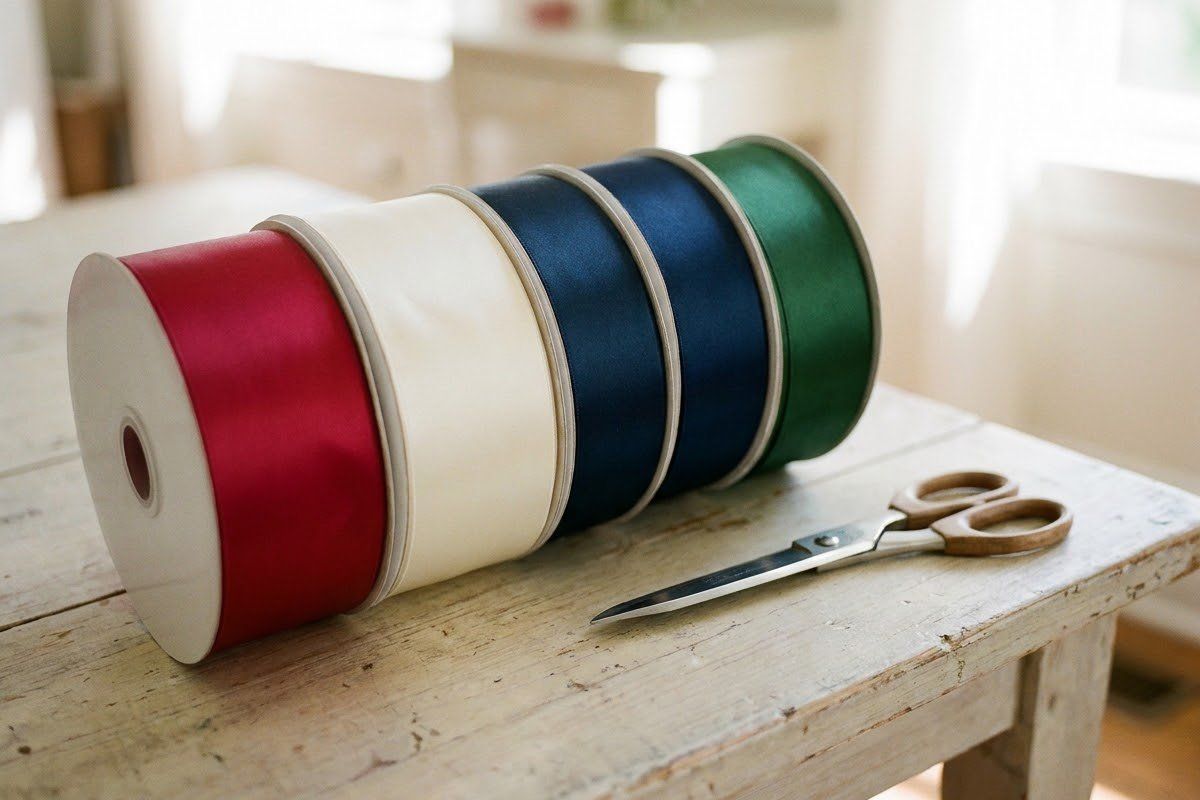
Ribbon for a ribbon cutting has one job: to stay in a clean line until the scissors part it. The rest of this page covers how wide, how long, what fabric and what colour, and how to match the ribbon to the scissors you plan to use. This is general information; the programme of the event itself is for the organizer to plan.
What is ceremonial ribbon?
Ceremonial ribbon is an ordinary woven ribbon chosen for size and appearance rather than a special product category. It is wider and longer than gift ribbon, and it is judged on three things: whether people can see it, whether it hangs straight, and whether it cuts cleanly. A pair of scissors that is too small for the ribbon, or a ribbon that is too slippery for the blades, is the most common reason a cut goes badly. You can read about that failure in cutting ribbon with scissors.
Width and length: how much do you need?
There is no official width or length, so treat every figure you see as a planning choice.
- Width. Choose a width that looks in proportion to the scissors and is visible from the furthest viewer. Narrow ribbon disappears in photographs; very wide ribbon can be too heavy for the blades to grip.
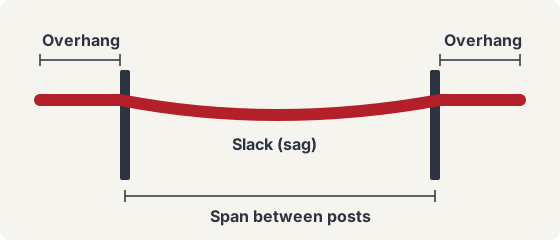
- Length. Measure the span the ribbon must cover, then add overhang at each end and slack. If you want a bow, add the bow and tails separately. The work out the length takes these inputs and shows the result in two units.
- Units. If you measure in feet and order in metres, convert once, with exact factors, and round only at the end (NIST’s SP 811 Appendix B lists exact factors and rounding guidance).
Fabrics: satin, grosgrain, polyester, cotton, tulle
Fabric decides how the ribbon behaves under the blades.
| Fabric | Look | Cutting behaviour to expect |
|---|---|---|
| Satin | Glossy, reflects light | Smooth; can slip if the blades are dull or the ribbon is slack |
| Grosgrain | Matte with fine ribs | Firm and stable; cuts cleanly with sharp blades |
| Polyester woven | Varies | Frays less when cut, behaviour depends on the weave |
| Cotton | Matte, soft | Can bunch or stretch under blunt blades |
| Tulle or organza | Sheer, light | Light and slippery; can need tension to cut |
These are general tendencies, not tested results, and weaves differ. See ribbon fabrics and the scissors that cut them for the fuller picture.
Colour and meaning
Red is a very common choice, but colour is mostly about contrast with the venue and the look of photographs. Brand colours work too. We do not assign meanings to colours: any claim that a colour has a traditional meaning needs a source, so this guide treats colour as a practical choice. See ribbon colors.
Single-cut, pre-tied and two-piece ribbons
A single length held across the opening is the simplest. A two-piece ribbon is joined at the centre with a bow or a rosette and cut at the join. A pre-tied or pre-notched ribbon has been prepared so the blades meet less resistance. If the ribbon has a bow, read bows for a ribbon cutting before deciding where the cut goes.
Matching ribbon to scissors
Open the scissors fully around a sample of the ribbon. If the ribbon fills the gap or bunches at the pivot, it is too wide or too thick for that pair. If it slides toward the tips, add tension or choose a firmer fabric. A complete pairing is covered in ribbon and scissors: what a complete set includes.
Common mistakes
- Buying ribbon before knowing the span.
- Choosing a colour that matches the wall behind it.
- Skipping a test cut with the actual scissors.
- Using stiff or wired ribbon with scissors not made for it.
- Forgetting extra length for knots, bows and ends.
Related guides
For the object itself, start with the scissors guide and read our safety notes before handling large blades.
All Ribbon guides
- Bows for a Ribbon Cutting: Size, Style and Attachment
How to choose and attach a bow for a ribbon cutting: whether you need one, bow size against ribbon width, pre-made or hand-tied, and where to cut.
- Ribbon Colors for a Ribbon Cutting: Red and Other Choices
Which ribbon colour to use for a ribbon cutting: why red is a common choice, how to pick for contrast and photos, and when brand or team colours work.
- Ribbon Fabrics and the Scissors That Cut Them
How satin, grosgrain, organza, velvet, wired and paper ribbon behave under ceremonial scissors: fray, stretch and slip, and how to test before the day.
People also ask
What ribbon is used for a ribbon cutting?
Most ribbon cuttings use a wide, smooth woven ribbon, most often satin, because it hangs flat, catches the light and photographs clearly. Grosgrain, polyester and similar fabrics are also used. The best choice is one that holds its line across the span and parts cleanly under the blades of your scissors, so test it first.
How wide should ribbon be for a ribbon cutting?
There is no official width. Wider ribbon is easier to see from a distance and looks proportionate next to large ceremonial scissors, while narrow gift ribbon looks lost and can slide away from the blades. Match the width to your scissors and the viewing distance, then confirm the blades can open wide enough to take it.
How long should the ribbon be?
Measure the span between the two posts or hands holding it, add extra for each end and for a bow if you want one, then add some slack. Our ribbon length calculator does the arithmetic and labels its spacing defaults as planning assumptions, not a standard. Convert units carefully if you order in a different unit than you measure.
What is the best fabric for a ribbon cutting?
A firm, smooth fabric such as satin or grosgrain is the usual choice because it keeps a clean edge and lies flat. Very soft or stretchy ribbon can slide between the blades, and wired or stiff ribbon can resist them. There is no single best fabric, so match it to the blades you will actually use.
Can I use regular gift ribbon?
You can, but it is often too narrow and light for a ceremonial setting and may be hard to see in photos. Thin ribbon also tends to slip rather than cut when large scissors open around it. If you do use gift ribbon, choose the widest, firmest kind you can find and test the cut beforehand.
Further reading
Worth reading next
- Bows for a Ribbon Cutting: Size, Style and Attachment
How to choose and attach a bow for a ribbon cutting: whether you need one, bow size against ribbon width, pre-made or hand-tied, and where to cut.
- Ribbon Colors for a Ribbon Cutting: Red and Other Choices
Which ribbon colour to use for a ribbon cutting: why red is a common choice, how to pick for contrast and photos, and when brand or team colours work.
- Ribbon Fabrics and the Scissors That Cut Them
How satin, grosgrain, organza, velvet, wired and paper ribbon behave under ceremonial scissors: fray, stretch and slip, and how to test before the day.